
Capturing Memories: Professional Photography Tips

Photography is more than just a hobby; it’s a powerful way to capture moments that tell stories and evoke emotions. Whether you are a budding photographer or someone looking to improve your skills, understanding the nuances of professional photography can elevate your work. In this post, we will explore essential tips that can help you capture stunning images and preserve your memories beautifully.

Understanding Your Camera
Know Your Equipment
Before you can take great photos, you need to understand your camera. Whether you are using a DSLR, mirrorless camera, or even a smartphone, knowing the features and settings is crucial. Here are some key aspects to consider:
Manual Mode: Learn to use manual settings to control exposure, aperture, and shutter speed. This allows for greater creativity and precision.
Lens Selection: Different lenses serve different purposes. A wide-angle lens is great for landscapes, while a macro lens is perfect for close-up shots.
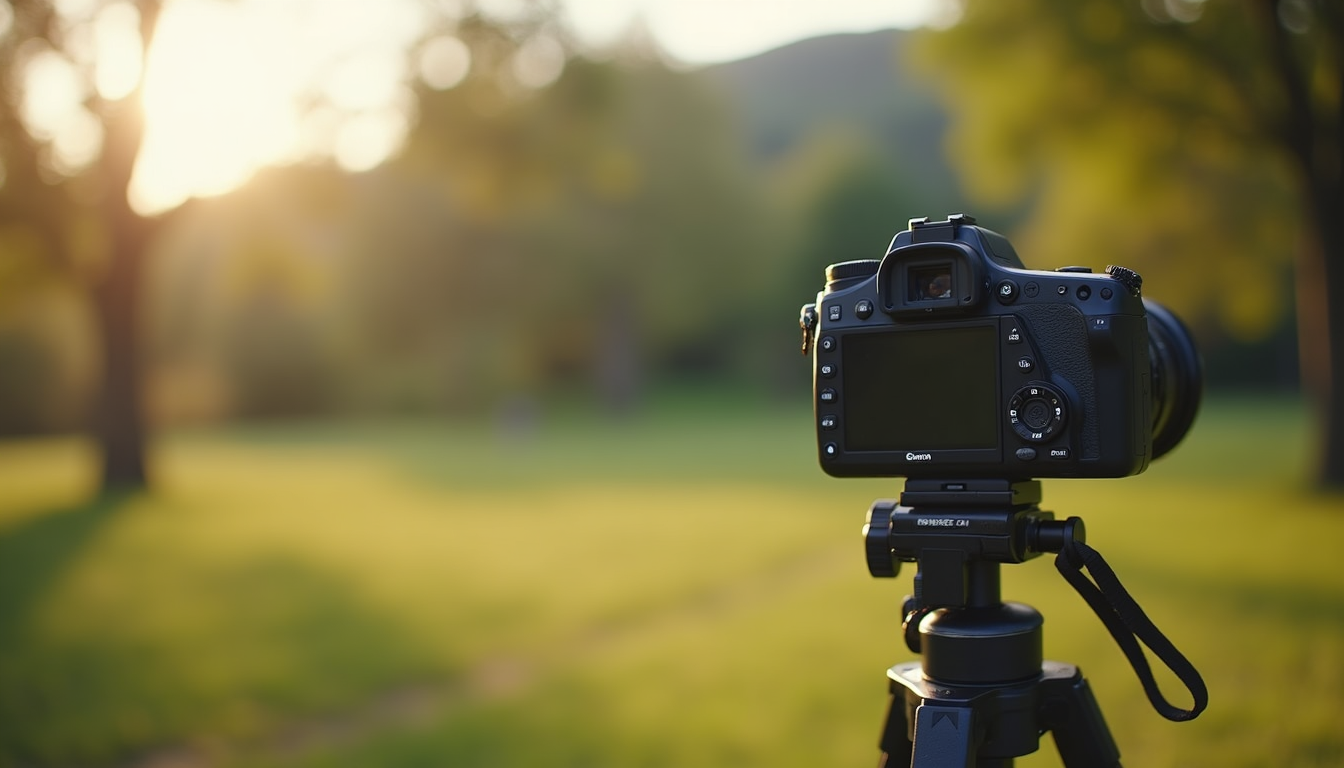
Tripod Use: A tripod stabilizes your camera, especially in low-light situations or when shooting long exposures.
Experiment with Settings
Don’t be afraid to experiment with your camera settings. Try different ISO levels, apertures, and shutter speeds to see how they affect your images. For instance, a lower ISO is ideal for bright conditions, while a higher ISO can help in darker environments but may introduce noise.
Composition Techniques
Rule of Thirds
One of the fundamental principles of photography is the rule of thirds. Imagine dividing your frame into nine equal parts with two horizontal and two vertical lines. Positioning your subject along these lines or at their intersections creates a more balanced and engaging composition.
Leading Lines
Use natural lines in your environment to lead the viewer’s eye toward the subject. Roads, rivers, or pathways can guide the viewer’s attention and add depth to your photos.
Framing
Incorporate elements in your environment to frame your subject. This could be anything from tree branches to windows. Framing draws attention to the subject and adds context to the image.
Lighting Matters
Golden Hour
The golden hour, which occurs shortly after sunrise and before sunset, provides soft, warm light that enhances the beauty of your photos. Plan your shoots around this time for the best natural lighting.
Avoid Harsh Midday Sun
Shooting in harsh midday sunlight can create unflattering shadows and highlights. If you must shoot during this time, look for shaded areas or use reflectors to soften the light.
Use Artificial Lighting
When natural light isn’t available, consider using artificial lighting. Softboxes and LED lights can help create a professional look. Experiment with different light sources to see how they affect your images.
Mastering Post-Processing
Editing Software
Post-processing is an essential part of photography. Familiarize yourself with software like Adobe Lightroom or Photoshop. These tools allow you to enhance colors, adjust exposure, and crop images for better composition.
Consistency in Editing
Develop a consistent editing style that reflects your vision. This could involve using similar filters, color grading, or exposure adjustments across your portfolio. Consistency helps in creating a recognizable brand.
Don’t Overdo It
While editing can enhance your images, avoid over-processing. Strive for a natural look that maintains the integrity of the original photo. Subtle adjustments often yield the best results.
Capturing Emotions
Candid Moments
Some of the most powerful photographs capture genuine emotions. Be patient and ready to capture candid moments, whether it’s a child laughing or a couple sharing a quiet moment. These images often tell a more compelling story than posed shots.
Engage with Your Subjects
If you are photographing people, engage with them. A relaxed subject is more likely to show genuine emotions. Ask questions, share a laugh, or simply converse to create a comfortable atmosphere.
Special Techniques
Long Exposure
Long exposure photography can create stunning effects, especially with moving subjects like water or clouds. Use a tripod and a low ISO setting to capture these images. Experiment with different exposure times to achieve various effects.
Macro Photography
Macro photography allows you to capture intricate details of small subjects. Use a macro lens and focus on lighting to highlight textures and colors. This technique can reveal a whole new world in everyday objects.
Building Your Portfolio
Curate Your Best Work
As you develop your skills, start building a portfolio that showcases your best work. Select images that reflect your style and versatility. A well-curated portfolio can attract potential clients or opportunities.
Seek Feedback
Don’t hesitate to seek feedback from peers or mentors. Constructive criticism can help you identify areas for improvement and refine your skills. Join photography groups or online forums to connect with other photographers.
Conclusion
Capturing memories through photography is a rewarding journey that requires practice, patience, and creativity. By understanding your equipment, mastering composition, and honing your editing skills, you can create stunning images that tell your unique story. Remember, the best photographs often come from genuine moments and emotions. So grab your camera, get out there, and start capturing the world around you.
Next Steps
Now that you have these tips, it’s time to put them into practice. Choose a subject or theme for your next photography session and experiment with the techniques discussed. Happy shooting!

Comments